Common Tomato Problems, and the Varieties That Dodge Them
Most tomato disappointments come down to a handful of problems. Some are about how you grow; some are about what you grow. Here are the big three and the varieties bred to shrug them off.
Late blight
Late blight is the one that flattens a whole patch in a wet August, with greasy dark patches on leaves and fruit. It is weather-driven and hard to stop once it arrives, so resistant varieties matter most in damp regions.
Mountain Magic, Defiant, and Galahad all carry strong, bred-in late-blight resistance and still taste good, which is the rare combination worth seeking out in a blight-prone summer.
Cracking
Cracks, concentric rings or radial splits, come from uneven watering: a dry spell followed by a soak swells the fruit faster than the skin can grow. Steady, deep watering is the fix.
Thicker-skinned varieties and many hybrids resist cracking better; thin-skinned cherries like Sungold are the most prone and should be picked promptly.
Blossom-end rot
The sunken black patch on the bottom of a fruit is blossom-end rot. It is a calcium problem, but almost never a calcium shortage in your soil. It is a delivery problem: calcium moves through the plant with water, pulled toward whatever is transpiring fastest, which is the leaves, not the fruit. When watering is uneven, the developing fruit is the first thing shorted, which is why it shows up most on paste tomatoes and in containers.
This is why the popular cures disappoint. Eggshells break down far too slowly to matter this season, and most garden soil already holds plenty of calcium. Adding more does not fix a transport problem.
Epsom salt is the one to actively avoid. It is magnesium sulfate, and magnesium competes with calcium for uptake at the roots, so it nudges the plant toward the very deficiency you are trying to cure. The extension consensus is blunt: skip it.
There is no resistant variety as such. The fix is steady, even moisture, a mulch to buffer the swings, and going easy on nitrogen. Get the watering right and most of it disappears.
Blossom drop, which is a different problem
Blossom-end rot has a near-twin in the name and almost nothing in common with it. Blossom drop is when the flowers themselves dry up and fall before any fruit forms. It is not a calcium problem. Alabama Cooperative Extension calls it unrelated to any nutritional disorder or disease or insect damage, and pins it on air temperature: when day temperatures exceed 85F and night temperatures exceed 72F, tomato flowers often abort.
So the calcium answers above do not apply to it, and neither does a bee shortage. Fertility still matters at the edges: Alabama warns that too much nitrogen fertilizer can cause blossom drop, and that too much of any fertilizer raises salt levels around the plant, which can cause blossom drop on its own. Past that, blossom drop has its own thresholds, its own fixes, and its own short list of varieties bred to set fruit in heat.
Varieties mentioned
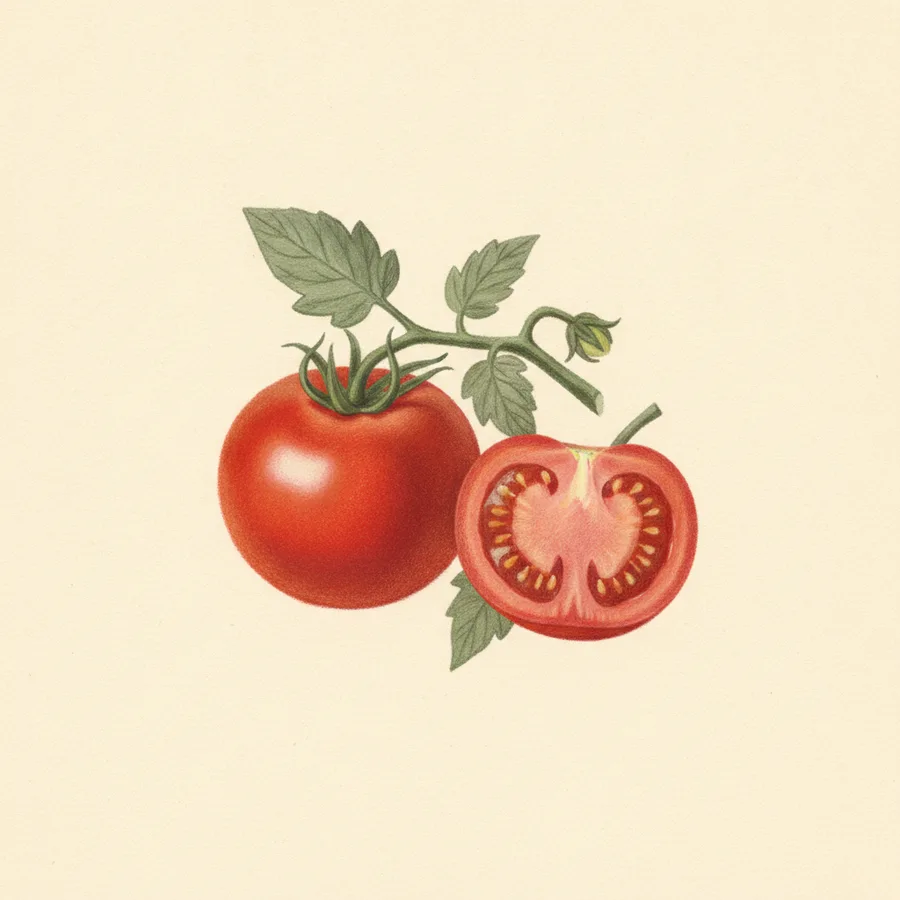
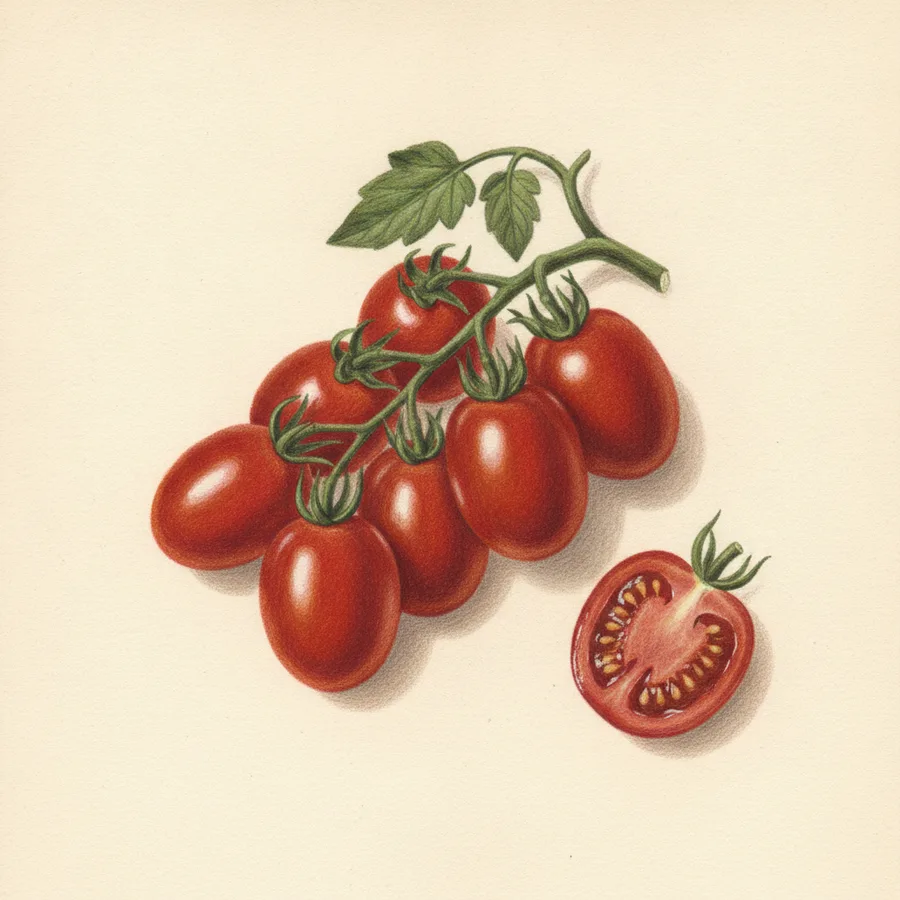
Keep reading
- Blossom Drop: Why Heat Stops Fruit SetBlossom drop is a pollination failure, not a calcium one. The temperatures, the fixes, and the varieties bred for heat.
- Buried in Tomatoes? What to Do With a Mid-Summer GlutCracked and split fruit will not keep. Here is how to sort a glut by condition and put the rest up safely.
- Green Tomatoes and the First Frost: Which Ones Ripen Indoors and Which Ones Never WillFrost is not a disease, but it ends the season the same way a bad one can: by leaving fruit on the vine that never finishes.
- End-of-Season Tomato Cleanup: What Actually Survives WinterWhere those diseases go over the winter, and why the cleanup advice everyone repeats has the wrong reason attached.
Sources
- Growing tomatoes in home gardens · University of Minnesota Extension
- Mountain Magic, a blight-resistant F1 hybrid tomato · HortScience
- Blossom Drop in Tomato (ANR-2717) · Alabama Cooperative Extension System
- Blossom-end rot · University of Wisconsin-Madison Extension
- Blossom-end rot tip sheet · Michigan State University Extension
- The Epsom Salt Myth · Kansas State University Research and Extension