Green Tomatoes and the First Frost: Which Ones Ripen Indoors and Which Ones Never Will
The first frost does not wait for your tomatoes to finish. Every year, gardeners end up standing at the edge of the bed with an armful of green fruit and one real question: which of these are worth bringing inside, and which are just going to rot on the counter? The answer is not about the calendar. It is about what each fruit looks like right now.
The test: mature green, not just green
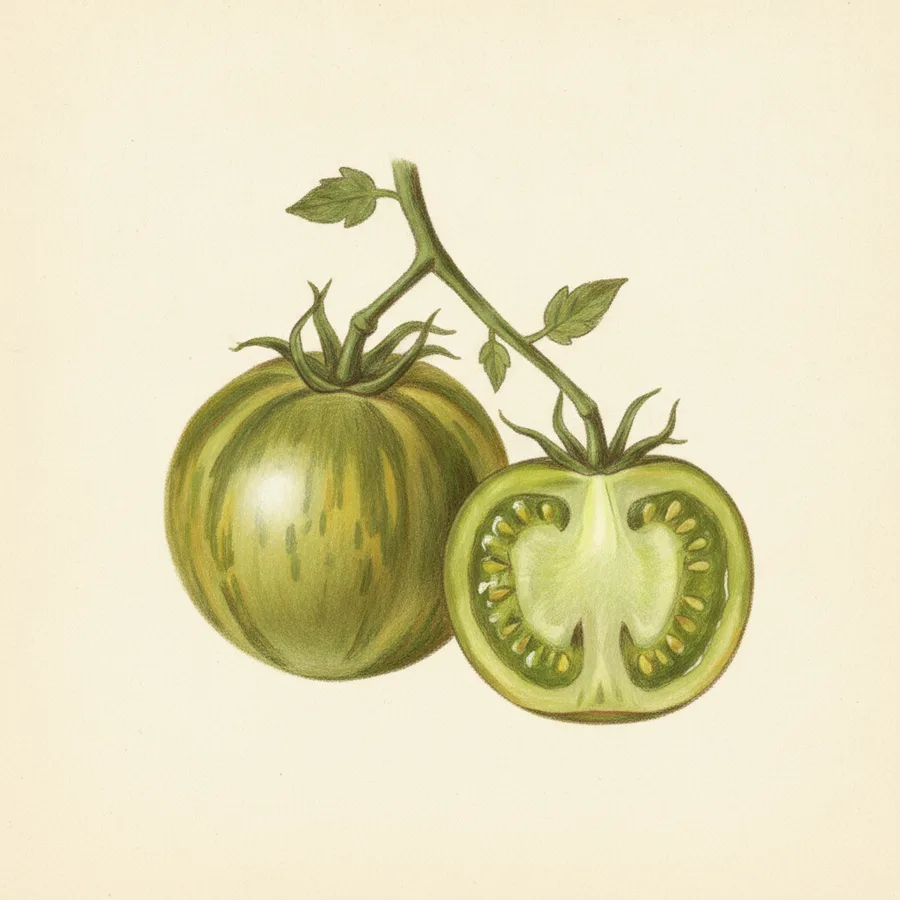
Not every green tomato is the same green tomato. The distinction that actually matters is whether the fruit has finished growing and is only waiting on color, or whether it stopped short of that point entirely.
University of Minnesota Extension describes the visual test plainly: look for a star, or streak of white, on the blossom end of the fruit, the bottom, opposite the stem. Fruit already showing that shift, the green fading toward white or pink, will ripen acceptably indoors. Fruit that is uniformly dark green all the way to the blossom end, with no fading at all, is what the same source calls truly green, and that is the fruit not worth the counter space.
University of Illinois Extension frames the same test from the picking side: once a fruit has moved from dark green to a lighter green or shows even a little blush, that is enough to bring it in. You do not need color. You need the shift to have already started.
Why a mature-green tomato can still ripen off the vine
A tomato does not need the plant to turn color. Once a fruit reaches mature size and has begun that green-to-pale shift, the growth part of its job is finished. What is left is a ripening process driven by ethylene, a gas the fruit produces itself, and that process runs whether the tomato is still attached to the vine or sitting on a counter.
That is also why the paper bag trick works. Illinois Extension recommends placing mature-green fruit in a paper bag stem end up, punching several holes around the bag, and folding the top over. The holes keep the fruit from suffocating; the mostly closed bag holds enough of that self-produced ethylene in place to speed the process along. Expect the ripening itself to take one to five days depending on how far along the fruit already was when you picked it, and check daily rather than waiting for a fixed date.
How to store fruit that will take longer
Not everything ripens in a few days, and for the fruit that needs more time, University of Minnesota Extension's guidance is simple: store the unripe fruit at room temperature, one layer deep, with the tomatoes spaced apart so they are not touching each other. Light is not what drives ripening here. Warm temperatures do more of the work than a sunny windowsill does, so a dim spot on the counter works as well as one in direct light.
Check the fruit frequently and pull each tomato as it finishes, rather than waiting for the whole batch to ripen together. A single layer, not touching, is also what keeps one soft or rotting fruit from taking down the ones next to it, which is the most common way a promising batch of green tomatoes goes bad in storage.
Where days to maturity comes into this
The reason some fruit is mature green in October and some is still hard and small comes down to timing, and that timing traces straight back to the days-to-maturity number on the variety itself. Our guide to what days to maturity really means covers what that figure actually counts and where it tends to mislead. The short version for frost season: a fruit set late enough that it never had the days it needed will still be immature when the cold arrives, no matter how the plant looks otherwise, and no storage trick changes that.
That is also the argument for checking days to maturity before you plant next year, not just when frost is bearing down on this year's crop. A short-season variety spends less of the fall producing fruit that is never going to make it off the vine in the first place.
What to do with the truly immature fruit
Fruit with no color shift at all, hard, dark green from shoulder to blossom end, is not going to ripen well no matter how you store it. That does not mean it has to go to waste. Hard green tomatoes are the entire basis of fried green tomatoes, and they hold their shape in a way a ripe tomato never will, which is exactly what that dish and dishes like green tomato chow-chow or relish are built around.
Treat truly green fruit as a cooking ingredient rather than a ripening project, and you avoid the disappointment of a windowsill full of tomatoes that just went soft and moldy instead of red.
New England's frost, and why this is worth doing at all
This site leads with New England conditions because a short growing season is exactly where this decision matters most. When the first frost date is earlier and less forgiving than it is further south, a single cold night can end the season for every fruit still on the vine, mature or not, and the difference between a plant loaded with green tomatoes and a kitchen full of usable ones comes down to sorting them correctly before that night arrives.
Frost dates vary by town and by year, so check your own average first-frost date rather than relying on a single regional number, and watch the extended forecast in the weeks before it. The sorting test above works the same whether your frost lands in mid-September or late October: walk the vines the day before a hard freeze is expected, pick everything, and sort mature green from truly green before you decide what goes in a paper bag and what goes in a skillet.
Varieties mentioned
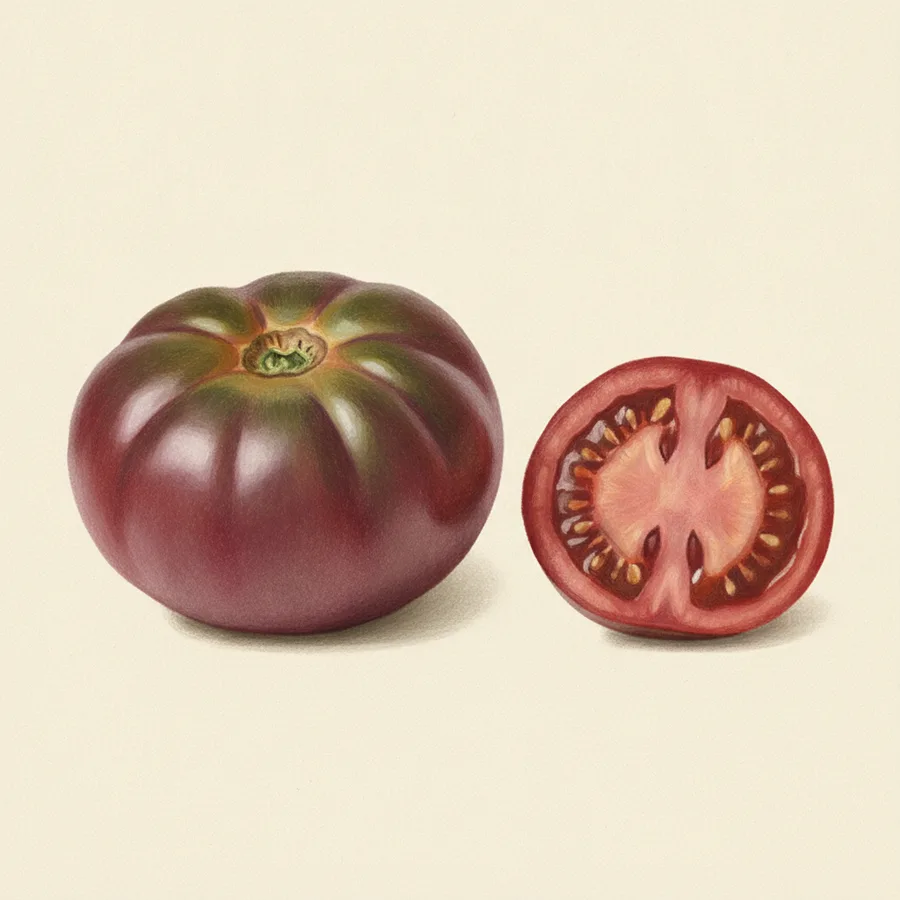
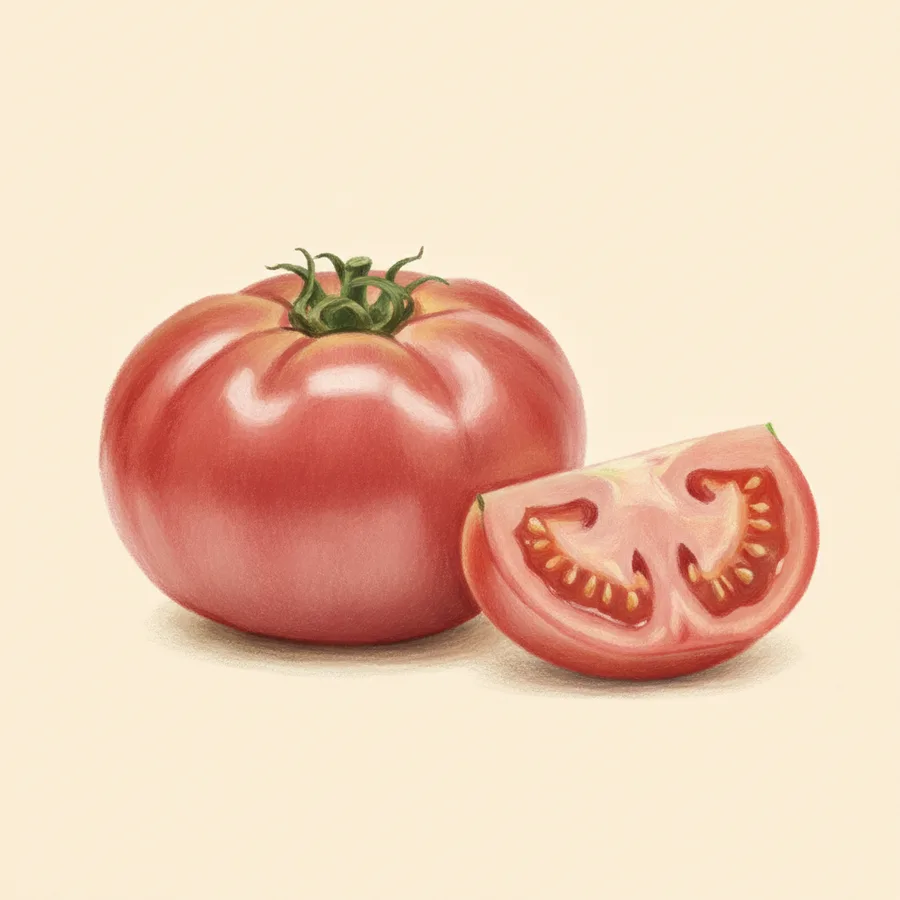
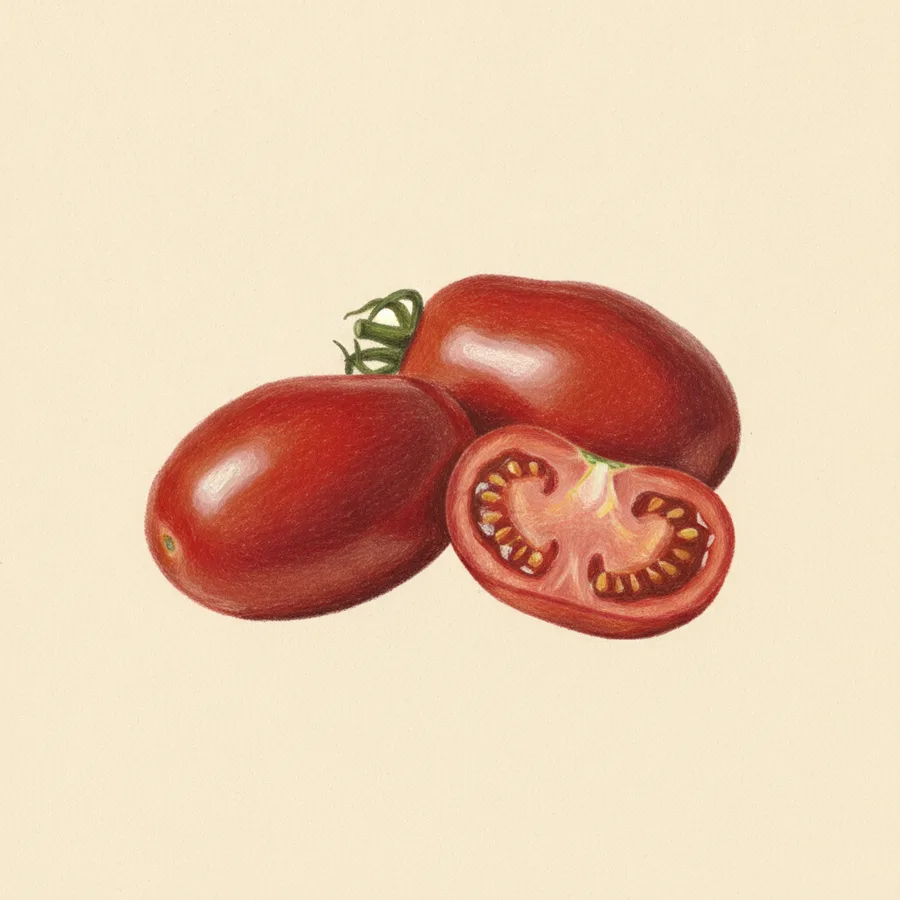
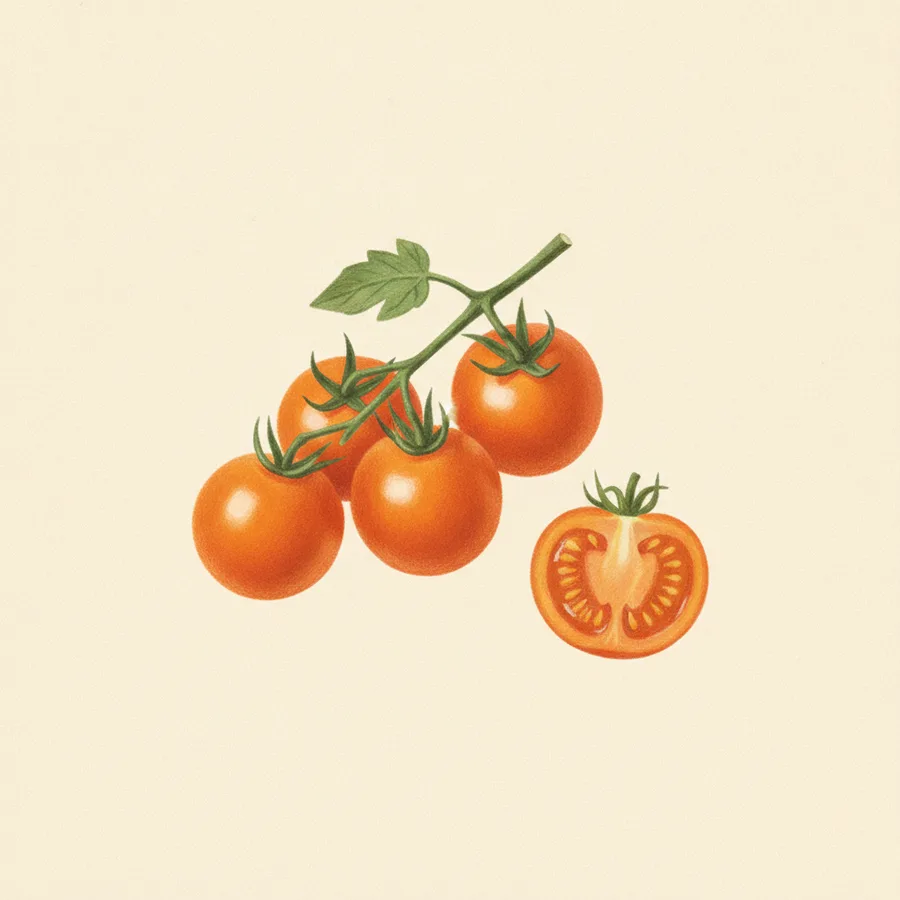
Keep reading
- When Are Tomatoes Ripe? A Variety-by-Variety GuideThis covers ripeness on the vine, by color, feel, and detachment. This post picks up where that one leaves off: the fruit that never got there before frost.
- What "Days to Maturity" Really MeansThe number on the seed packet is what decides whether a fruit has a real shot at ripening before your first frost in the first place.
- How to Save Tomato Seeds From Your Best PlantsA different end-of-season fruit decision: seed saving wants dead-ripe fruit, which is the opposite end of the ripeness scale from what this post covers.
- End-of-Season Tomato Cleanup: What Actually Survives WinterThe same afternoon, the other job: what the dead vines you are about to pull can and cannot carry into next season.
Sources
- Stalled Green Tomatoes: Why won't they turn red? · University of Illinois Extension
- Growing tomatoes in home gardens · University of Minnesota Extension