End-of-Season Tomato Cleanup: What Actually Survives Winter
Every autumn the same instruction goes around: strip the tomato bed, bag or burn every vine, do not compost any of it, or late blight will be back next year. The instruction is mostly good advice. The reason attached to it is wrong, and the thing it points at is not where late blight actually comes from. Here is what each of the common tomato diseases does over the winter, and what that means for the hour you are about to spend cleaning out the bed.
Late blight cannot overwinter on your dead vines
This is the part that surprises people, and it comes from the plant pathologists rather than from garden lore. Phytophthora infestans, the organism behind late blight and behind the Irish potato famine, needs living tissue. The University of Maine Cooperative Extension states it plainly: the pathogen cannot survive in soil or dead plant debris, and will not survive long in soil or away from association with a living host.
So a frost-killed tomato vine lying in your garden in December is not a late blight reservoir. The frost that killed your plants killed the pathogen on them too.
What late blight actually overwinters in, in the Northeast, is living tissue that stays alive underground or in a pile: infected potato tubers in cull piles, volunteer potato plants that sprout from tubers you missed, and infected seed potatoes. That is the whole list. If you grow potatoes, or if your neighbour does, that is the exposure worth thinking about.
This matters because it redirects the work. Scouring your tomato bed for late blight is effort spent on the wrong target. Digging out the potatoes you missed, and not leaving a pile of culls at the edge of the garden to sit under the snow, is the job that actually addresses it.
Early blight and Septoria are the ones your debris pile feeds
These are the two most Northeast gardens actually get every year, and they are the reverse case. They persist exactly where late blight cannot.
Early blight, caused by Alternaria, overwinters in infected plant debris and soil, according to University of Minnesota Extension, and also survives on tomato seed and can arrive on transplants. Clemson describes the same pattern: the fungus survives on infected debris in the soil, on seed, on volunteer tomato plants, and on other solanaceous hosts including potato, eggplant, and black nightshade.
Septoria leaf spot, the disease that turns the lower leaves into a speckled mess by August, does the same thing. UConn's IPM program records Septoria lycopersici surviving in plant debris and soil as well as on weed hosts like horse nettle and black nightshade, and persisting on tomato seed.
So the cleanup instruction survives, and the reason changes. You are not clearing the bed to stop late blight. You are clearing it to reduce the amount of early blight and Septoria inoculum sitting there waiting for spring rain to splash it back up onto next year's lower leaves.
Where the sources disagree, and we are not going to pretend they do not
There is an honest conflict here worth flagging, because it changes how long you would rotate.
UConn puts Septoria in the soil and says spores can survive there for up to three years, which is why it recommends a minimum two to three year rotation to break the cycle. Clemson says the opposite about the soil specifically: the fungus is not soil-borne, but can overwinter on crop residue from previous crops, on decaying vegetation, and on some related weeds. Clemson still recommends a three year rotation.
Both agree on the part that governs your cleanup: crop residue carries it, and removing residue reduces it. They disagree on whether the soil itself holds it once the residue is gone. We do not know which is right, and a home garden has no way to tell the difference.
The practical answer is that the recommendations converge anyway. Both point at removing debris and rotating two to three years, so you can act without resolving the disagreement.
The weeds are part of the cleanup, and they are the part everyone skips
Every source above lists nightshade-family weeds as an overwintering host alongside the crop debris. UConn names horse nettle and black nightshade for Septoria. Minnesota tells growers to control black nightshade and hairy nightshade, and volunteer tomato plants, throughout the rotation. Clemson adds potato, eggplant, and black nightshade for early blight.
This is the flaw in a rotation that only moves the tomatoes. If you shift the tomato bed twenty feet and leave the nightshade at the fence line, you have moved the crop and kept the reservoir. Black nightshade in particular is a common garden weed that most people do not connect to their tomatoes at all.
Volunteer tomatoes count too. A seedling that comes up next May from a fruit that dropped and rotted this September can carry seedborne early blight and Septoria straight into the new season.
What to do with the material once it is out
Remove and destroy infected plant debris at the end of the season, avoid composting heavily infected material, and where local ordinances allow, burn or bury it. That is the UConn guidance, and the qualifier about ordinances is doing real work: open burning is restricted or banned across much of New England, so for many gardeners burning is not on the table and burying or bagging is.
Minnesota's version is to remove or bury infected plants to reduce the chance of the pathogen surviving into the following year, and to dispose of infected leaves well away from where you grow tomatoes.
The reason to keep heavily infected material out of the compost is not that compost cannot kill these fungi. It is that a home pile usually does not get hot enough, evenly enough, to be relied on. If your pile does not reliably cook, treat that material as something to remove rather than something to recycle.
One thing you can stop agonising over: a handful of clean-looking leaves from a plant that stayed healthy all season is not a meaningful risk. This is about the plants that were visibly diseased, which in most Northeast gardens by September means most of the lower canopy.
What this changes about next year
The cleanup is worth doing, and it is worth doing for early blight and Septoria rather than for late blight. But sanitation on its own has a ceiling, because both of those pathogens also arrive on seed and on transplants, and late blight can blow in from somewhere else entirely no matter how clean your bed is.
That is the argument for pairing the cleanup with a variety decision. Resistance codes on a seed packet are the other half of this: LB for late blight, EB for early blight. Varieties carrying real late blight resistance are the ones that make the potato question in the first section much less pressing.
In New England, where a humid late summer makes early blight and Septoria close to inevitable on susceptible plants, that pairing does more than either half alone. Clear the bed, move the tomatoes, pull the nightshade, and grow at least a couple of plants that were bred for the weather you actually have.
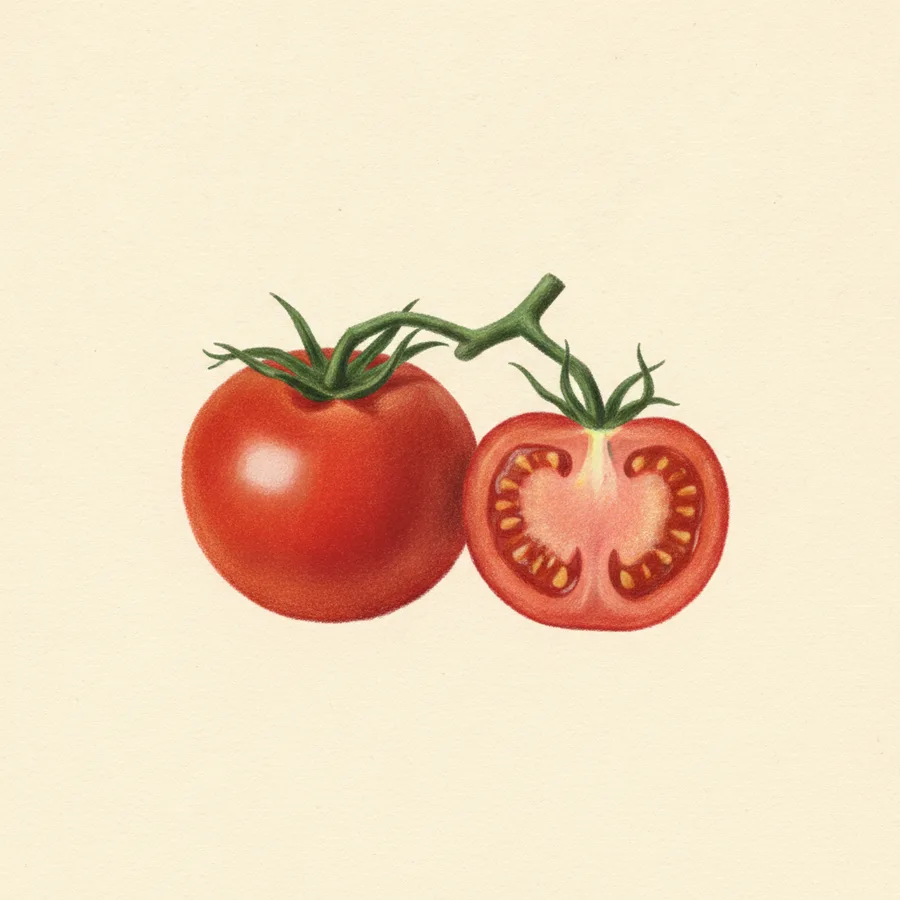
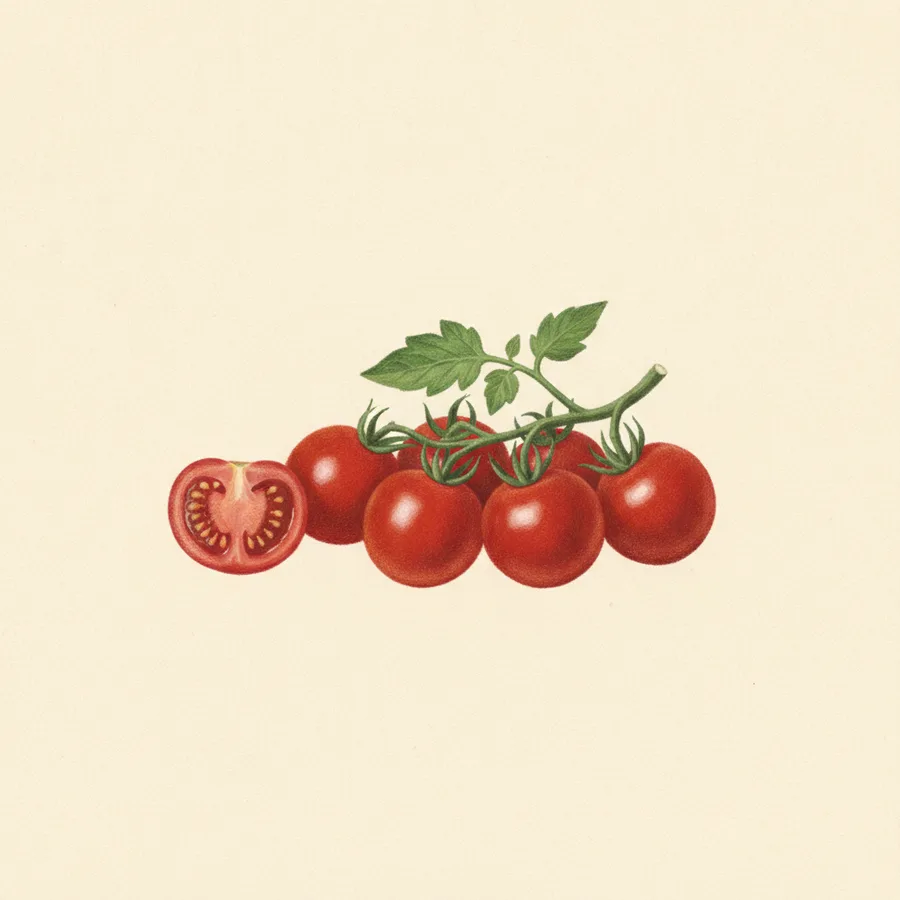
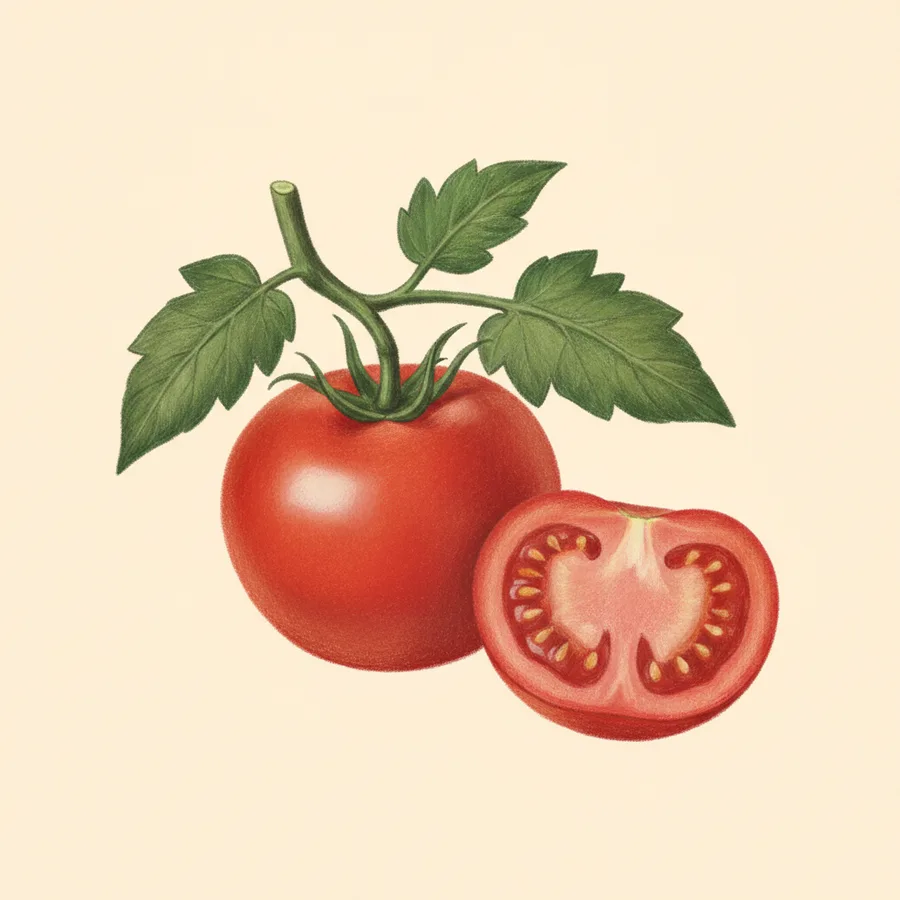
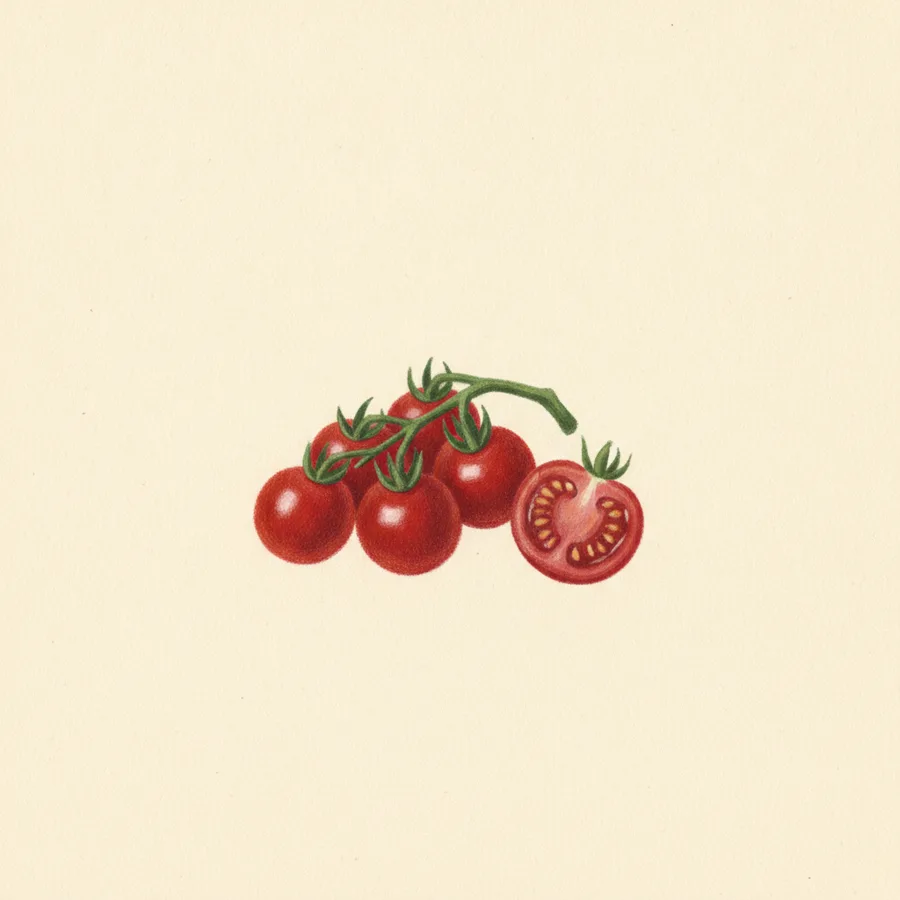
Varieties mentioned
Keep reading
- Green Tomatoes and the First Frost: Which Ones Ripen Indoors and Which Ones Never WillThe other end-of-season decision, made at the same moment: what to bring in off the plants before you pull them out.
- Common Tomato Problems, and the Varieties That Dodge ThemWhat the resistance codes in the last section actually mean, variety by variety.
- How to Save Tomato Seeds From Your Best PlantsWorth reading alongside this: early blight and Septoria both persist on tomato seed, so the plants you save from matter.
Sources
- Bulletin #2441, Potato Late Blight · University of Maine Cooperative Extension
- Early blight in tomato and potato · University of Minnesota Extension
- Tomato Septoria Leaf Spot · UConn Integrated Pest Management
- Tomato Diseases & Disorders · Clemson Cooperative Extension Home & Garden Information Center