When Are Tomatoes Ripe? A Variety-by-Variety Guide
By mid July the vines are loaded and the daily question becomes: is this one ready? The trouble is that the usual advice, wait until it turns red, only works for red varieties. A Cherokee Purple never gets there, a Green Zebra is ripe while still green, and a paste tomato can be ready while it still feels firm. Here is how to read ripeness across the kinds of tomatoes you are actually growing.
"Wait for red" is the wrong rule for half the garden
Red is a variety trait, not a ripeness signal. Plenty of hybrids and old reds do finish a full red, but a large share of heirlooms ripen to purple, brown, pink, orange, yellow, white, or green. On those plants, waiting for red means waiting forever, and the fruit usually drops or splits before it ever gets there.
The fix is simple: learn the mature color of the specific variety before it fruits, then judge ripeness against that target color instead of against red. Once you have that reference in your head, the rest is reading three signals that work on every tomato in the garden.
The three signals that work on every variety
Full color for that variety. A ripe tomato reaches its final color across most of the fruit. Extension guidance treats a tomato as vine ripe once it has reached its full color, whatever that color is for the variety.
A slight give. Ripe fruit softens a little from the hard, glassy feel of an immature tomato. It should yield to gentle pressure without denting. Penn State notes that the fruit becomes a bit softer to the touch as it moves through the pink stage toward ripe.
Easy detachment. A ripe tomato comes off with a gentle upward twist or lift. Once ripening begins, the plant forms a skin between the stem and the fruit that seals the fruit off from the vine, so a ready tomato releases easily. If you have to pull hard, it is not ready.
Reading color by type of tomato
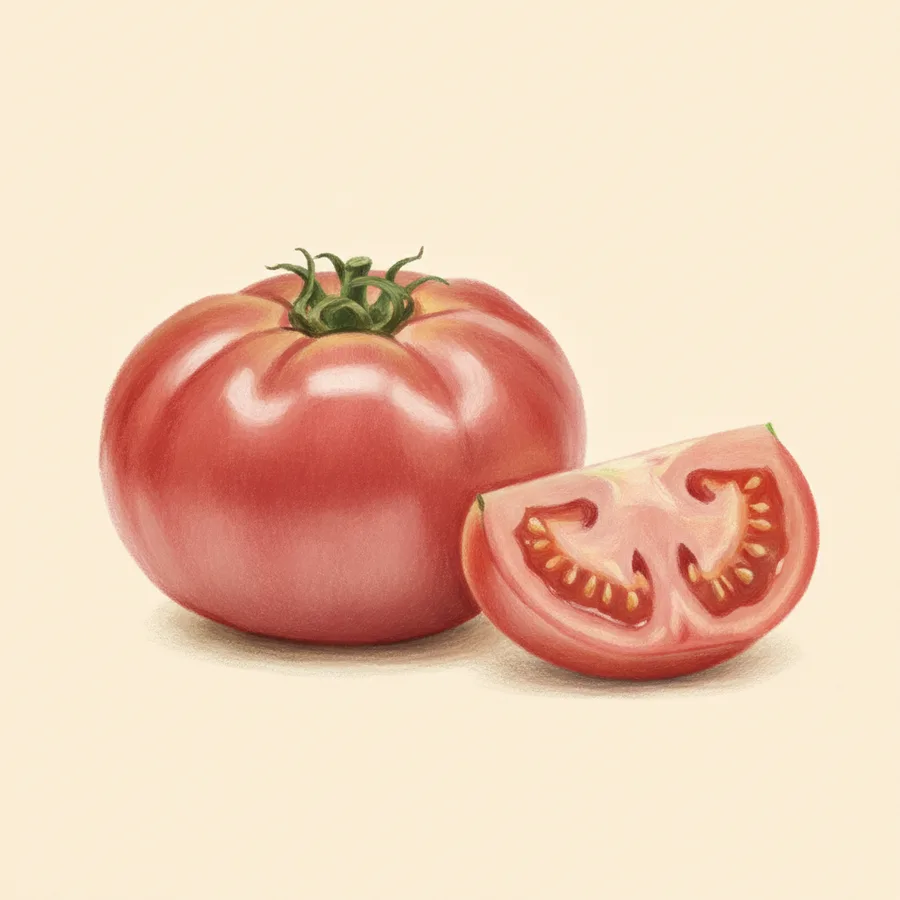
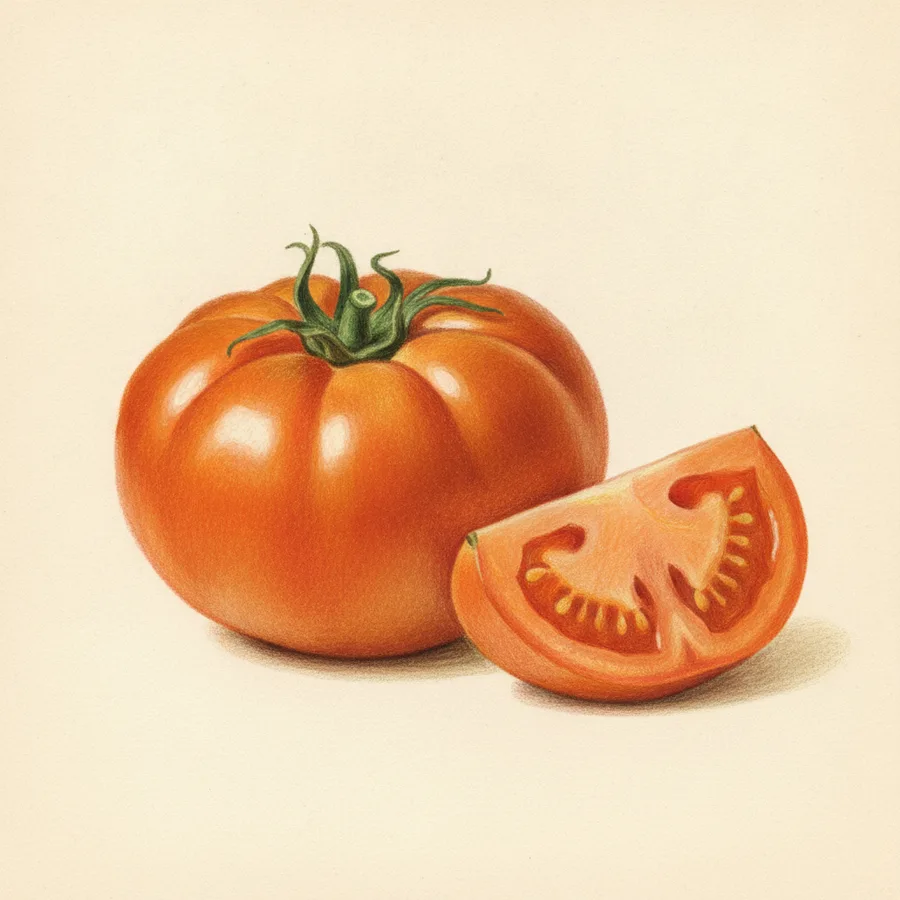
Red slicers and beefsteaks: look for even red across the shoulders and the blossom end, with the last of the hard green gone from the top of the fruit.
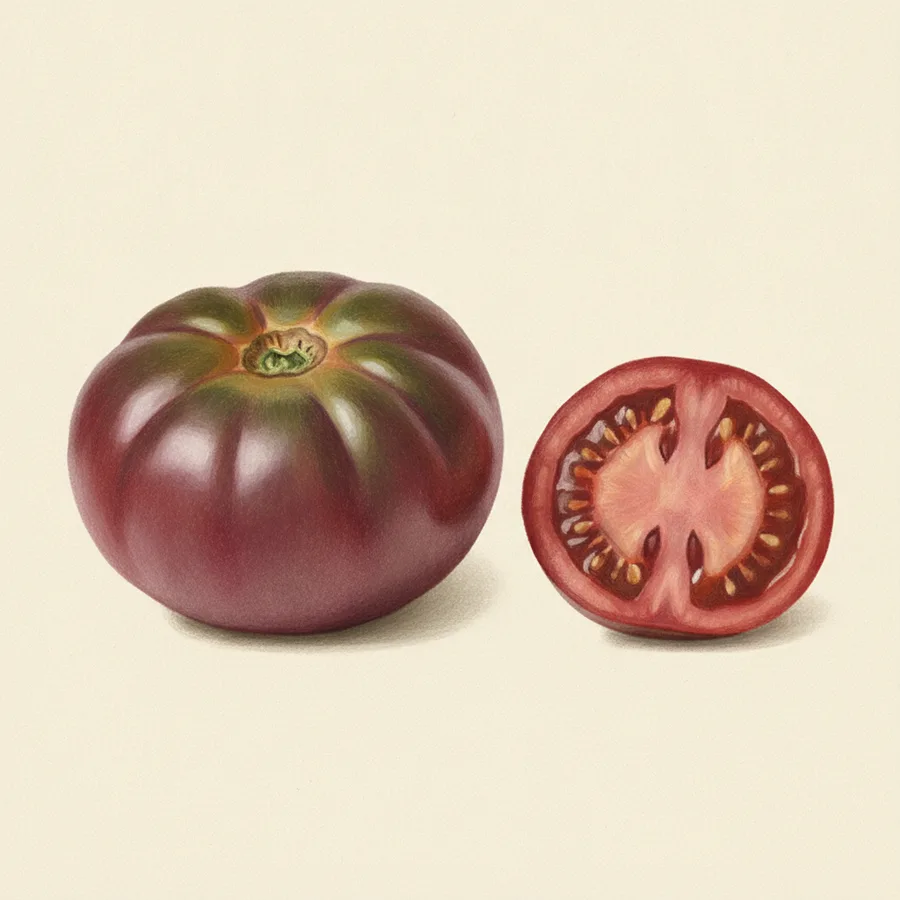
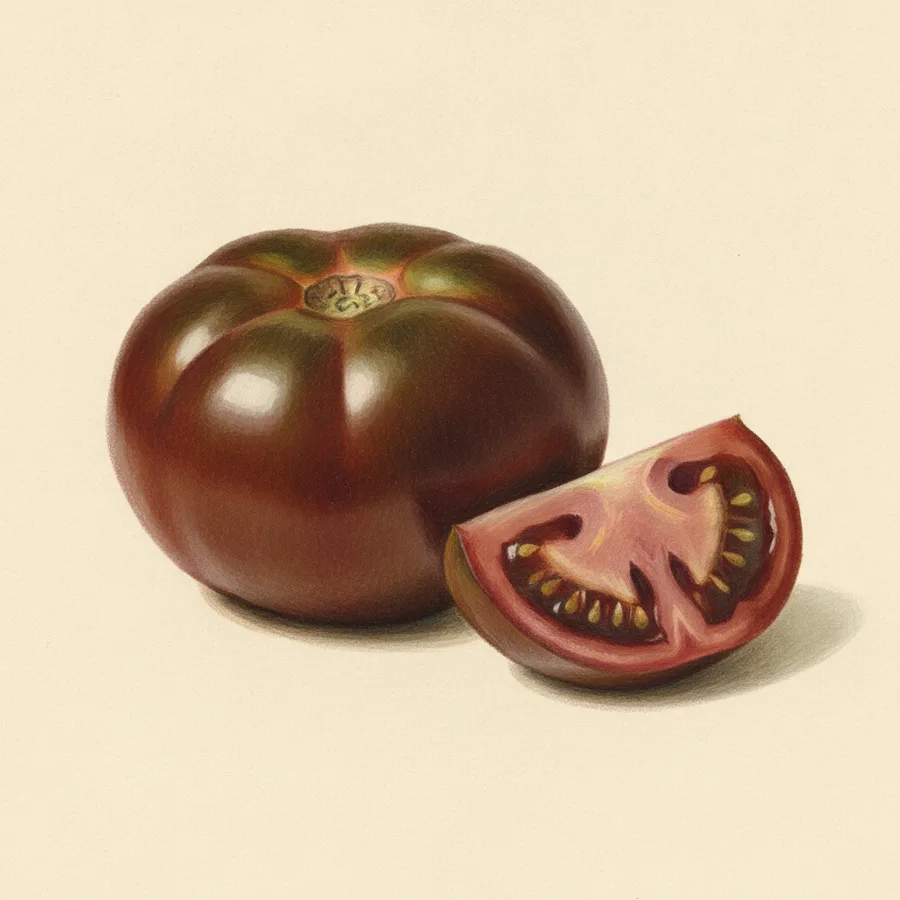
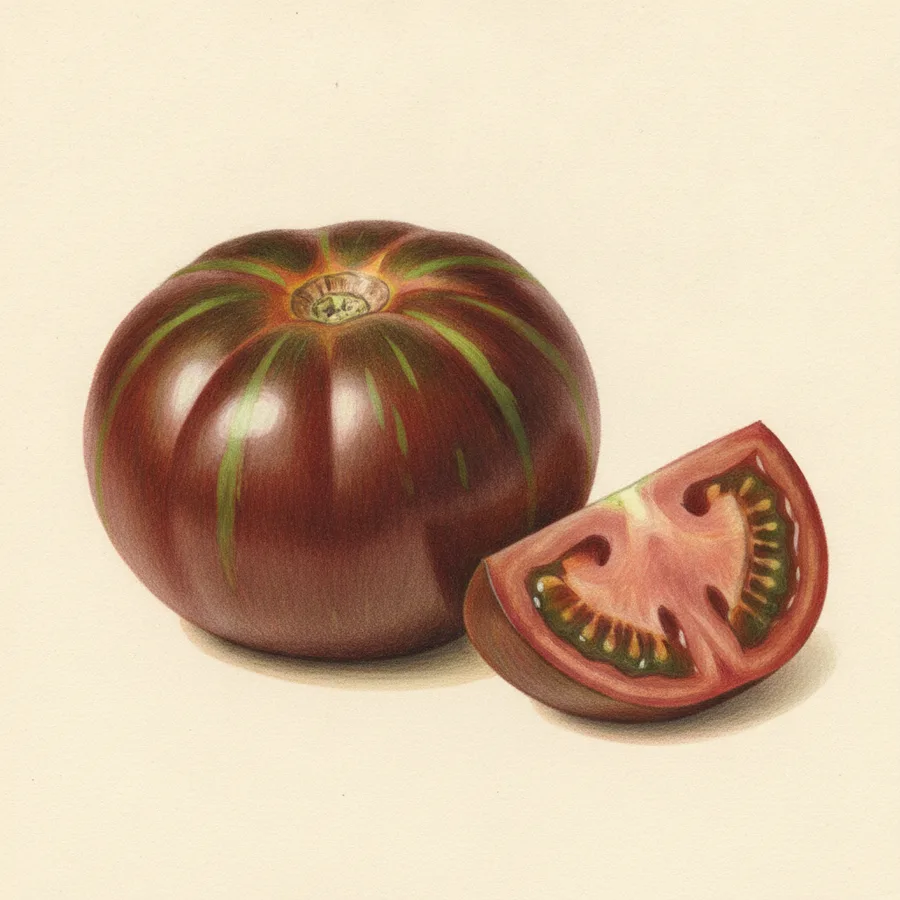
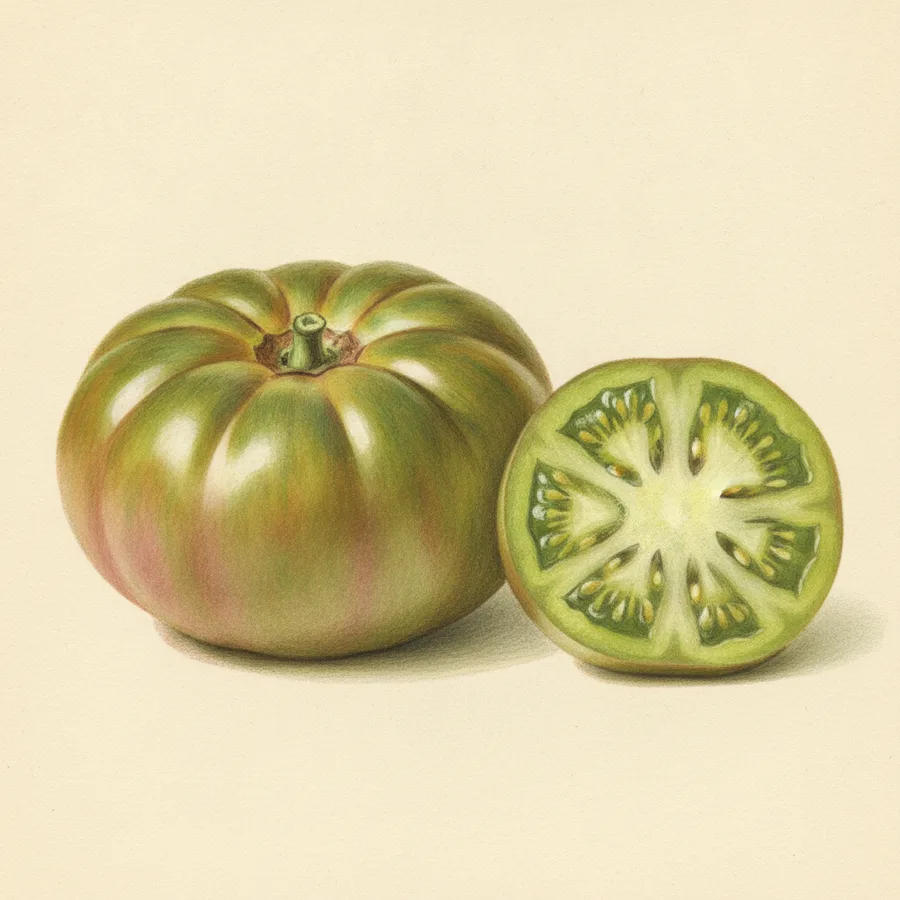
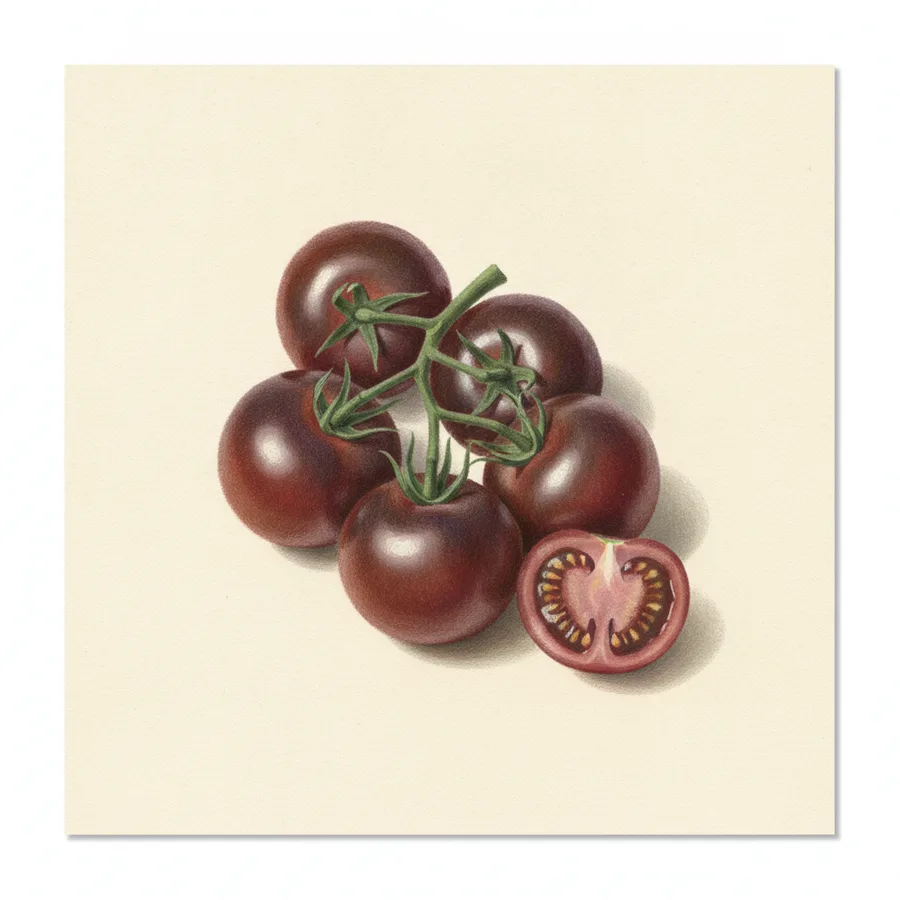
Dark and dusky heirlooms, like Cherokee Purple, Black Krim, and Chocolate Stripes: these finish a brooding brick, mahogany, or purple-brown, and many hold green or olive shoulders even when fully ripe. Do not wait for the shoulders to color up. Judge by the deepening of the base color and by feel.
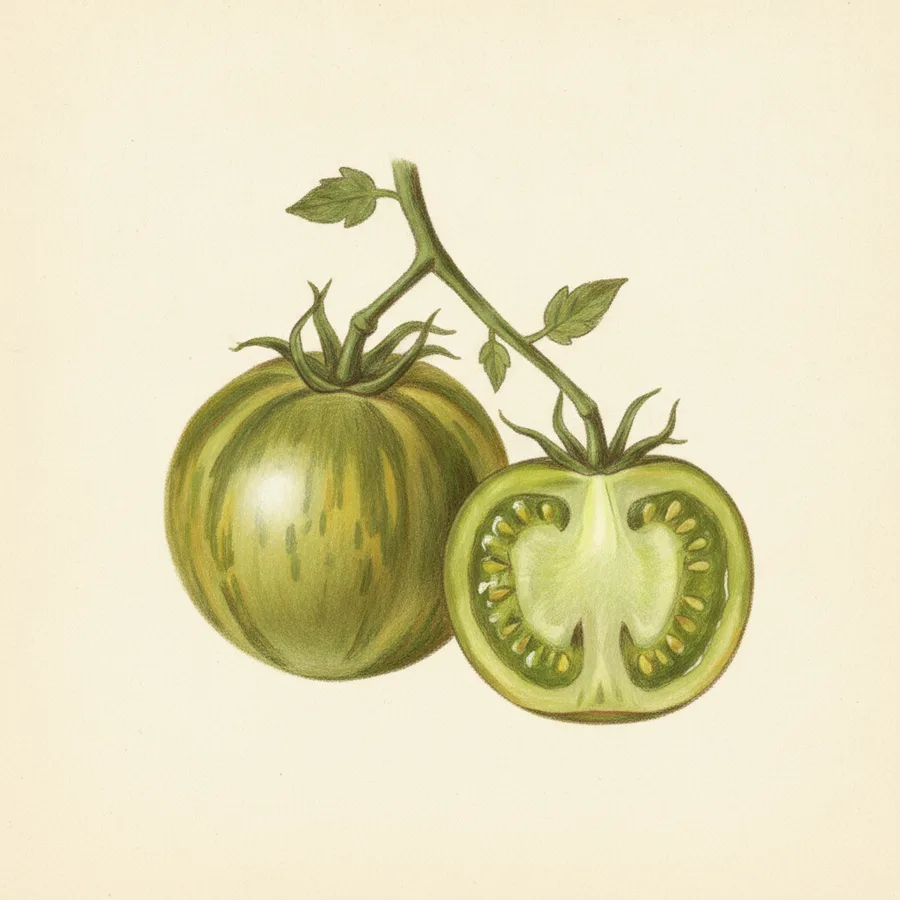
Green when ripe, like Green Zebra and Aunt Ruby's German Green: these stay green but shift from a hard grassy green to a softer, lighter green, often with an amber or yellow blush. The color change is subtle here, so feel and detachment matter more than on a red.
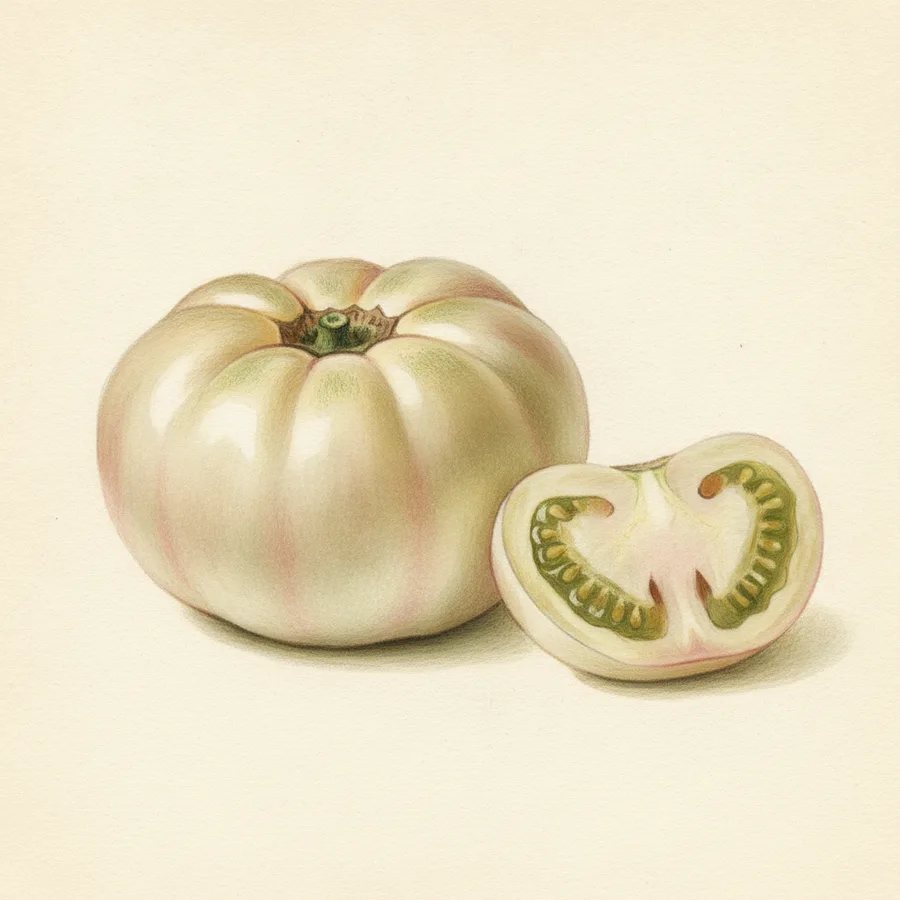
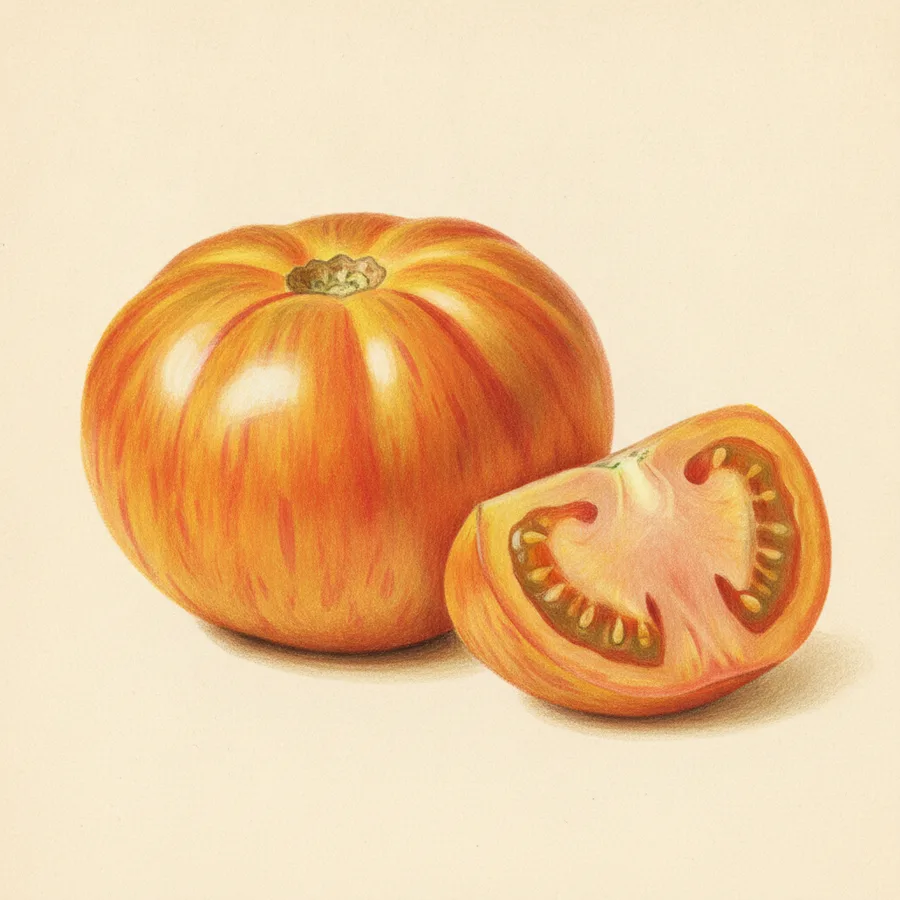
Yellow, orange, white, and bicolor, like Kellogg's Breakfast, Great White, and Pineapple: ripe when the pale or golden color is even and the fruit gives slightly. Bicolor types often stream red or pink through the shoulders and blossom end as they finish.
Reading feel by type of tomato
Big slicers and beefsteaks, like Brandywine, often soften before they reach full color. A large heirloom that gives to a gentle squeeze is usually ready even if the color still looks a touch behind, so trust the feel.
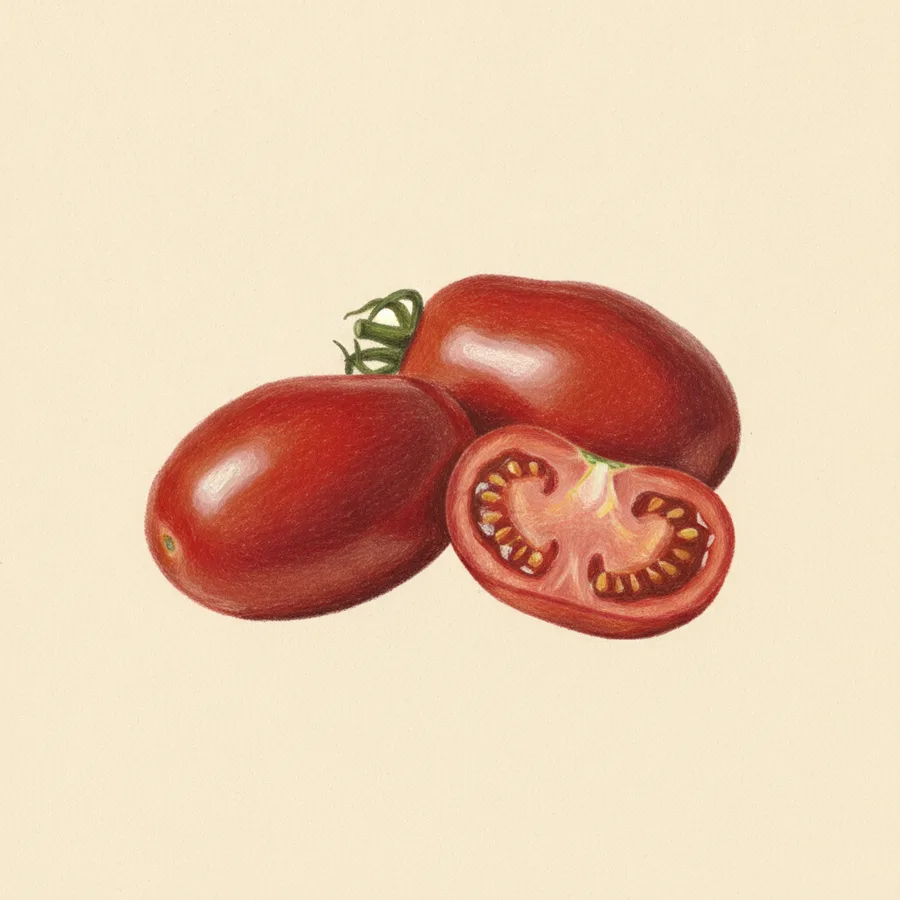
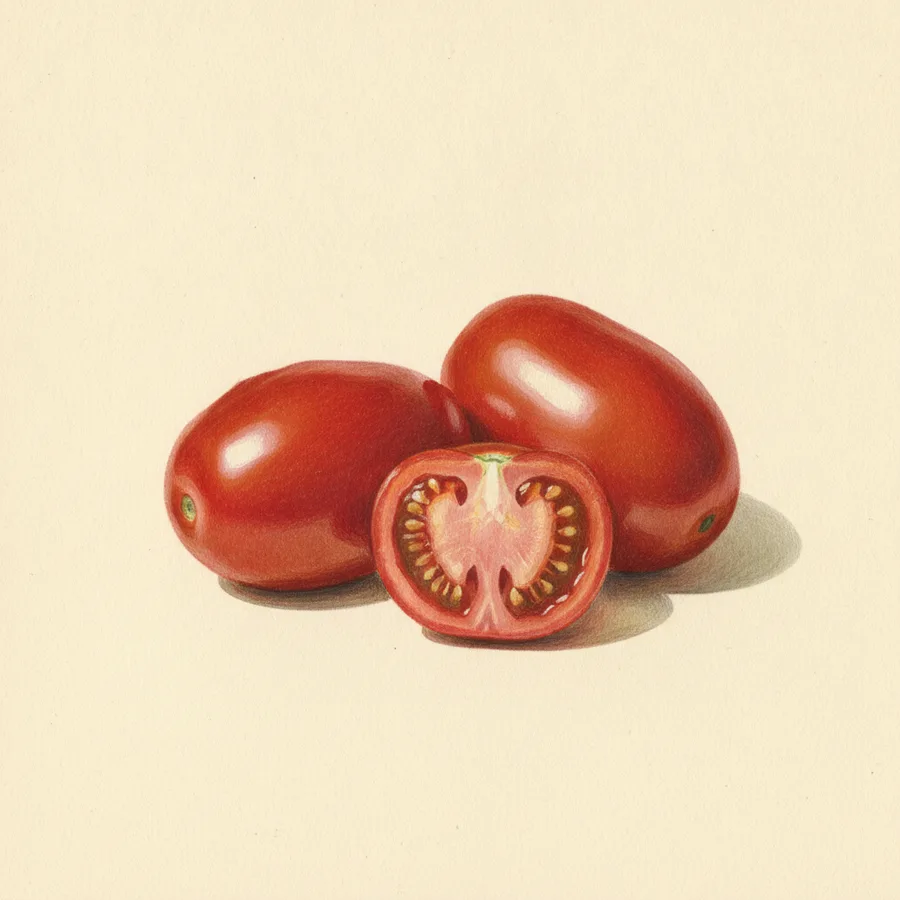
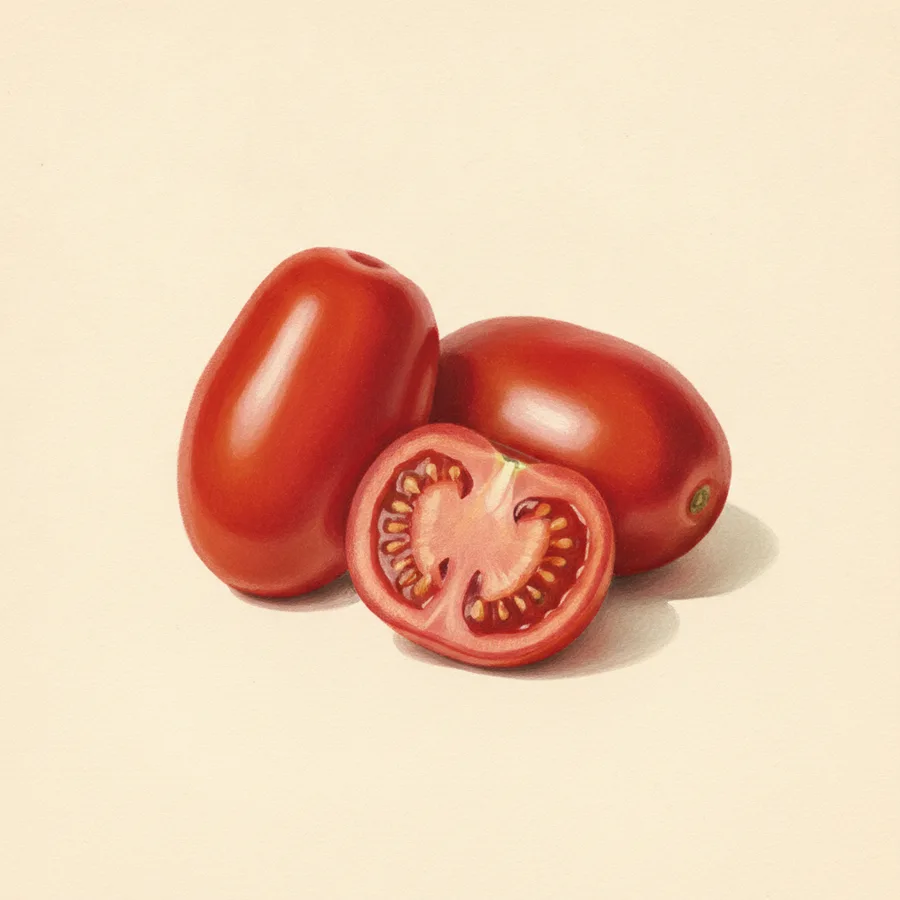
Paste and plum types, like San Marzano, Roma, and Amish Paste, are dense and meaty with far less juice, so they stay firmer than a slicer even at full ripeness. On these, lean on full color and easy detachment rather than waiting for a soft squeeze that never really comes.
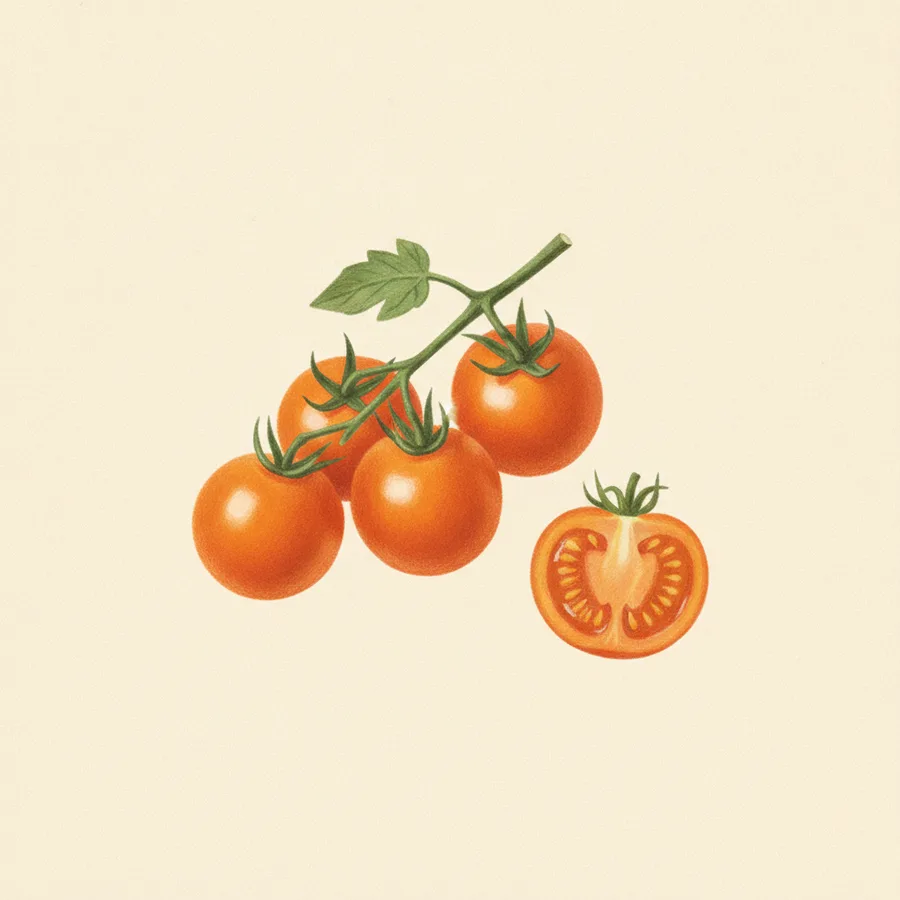
Cherry and grape types, like Sungold and Black Cherry, go from ripe to split fast, especially after rain or a heavy watering when the inside swells quicker than the skin. Pick them at first full color and check the plants every day or two through peak season.
When in doubt, pick at the breaker stage
You do not have to leave fruit on the vine to the very end. As soon as color first breaks at the blossom end, the tomato is physiologically mature: the plant has already sealed it off, so it will finish ripening on the counter with no loss of flavor. Researchers who study tomato flavor say all the components of a great tomato are present at that breaker stage.
Picking at breaker or first blush also dodges the last-minute losses: cracking, sunscald, birds, and squirrels all tend to strike in the final days on the vine. Ripen the fruit at room temperature, out of direct sun, and keep it out of the fridge, where cold flattens both flavor and texture.
The one time to hold out for full vine ripeness is when the weather is calm and you will eat the tomato within a day or two, since a variety picked at its true peak is still the best version of itself. Any other time, first blush is the safer call.
Varieties mentioned
Keep reading
- How to Save Tomato Seeds From Your Best PlantsSeed fruit is picked dead ripe, a stage past where you would pick for eating, so knowing your variety's real ripeness cue is what makes that call possible.
- What "Days to Maturity" Really MeansUse the maturity clock as a first estimate, then confirm with color and feel.
- Blossom Drop: Why Heat Stops Fruit SetThe other midsummer tomato question, when heat keeps fruit from setting at all.
- Buried in Tomatoes? What to Do With a Mid-Summer GlutOnce you are picking correctly, the next problem is volume. Triage, freezing, drying, and the canning rule you cannot skip.
- Green Tomatoes and the First Frost: Which Ones Ripen Indoors and Which Ones Never WillThe end-of-season version of this same question: which green fruit is worth bringing inside before frost, and which is not.
Sources
- Is This Tomato Ready to Harvest? · Penn State Extension
- Pick tomatoes at breaker stage · University of Georgia
- Pick tomatoes at color break · Texas A&M AgriLife
- Ripening Tomatoes Indoors · Colorado State University Extension