Starting Tomatoes From Seed in a Cold Climate
In a cold climate, the calendar is the hard part of growing tomatoes. Start too early and you get leggy, stunted seedlings; plant out too soon and a cold night sets them back for weeks. Here is the timing that works in a short season.
Start indoors five to six weeks before transplant
Count back five to six weeks from the date you intend to plant out, not from the last frost alone. Extension guidance is consistent that earlier is not better: seedlings started too soon get leggy and then stall after transplant.
For most of New England, that means sowing indoors in late March to mid April for a late May or early June transplant.
Give them warmth and strong light
Seeds germinate best with the flat held around 75 to 85F, so a heat mat helps. Once they sprout, the limiting factor is light: a sunny windowsill is rarely enough, and seedlings stretch toward it. Bright overhead light keeps them stocky.
Thin or pot up once the first true leaves appear.
Harden off, then wait for warm soil
About one to two weeks before planting, set seedlings outside for a few hours a day, starting in shade and building up sun and wind exposure. This hardening-off step prevents transplant shock.
Then wait. Plant out only after the last frost has passed and the soil has warmed to about 60F, with night temperatures reliably in the mid 50s. In a cool spring that can mean waiting past the official frost date.
Pick varieties that fit the season
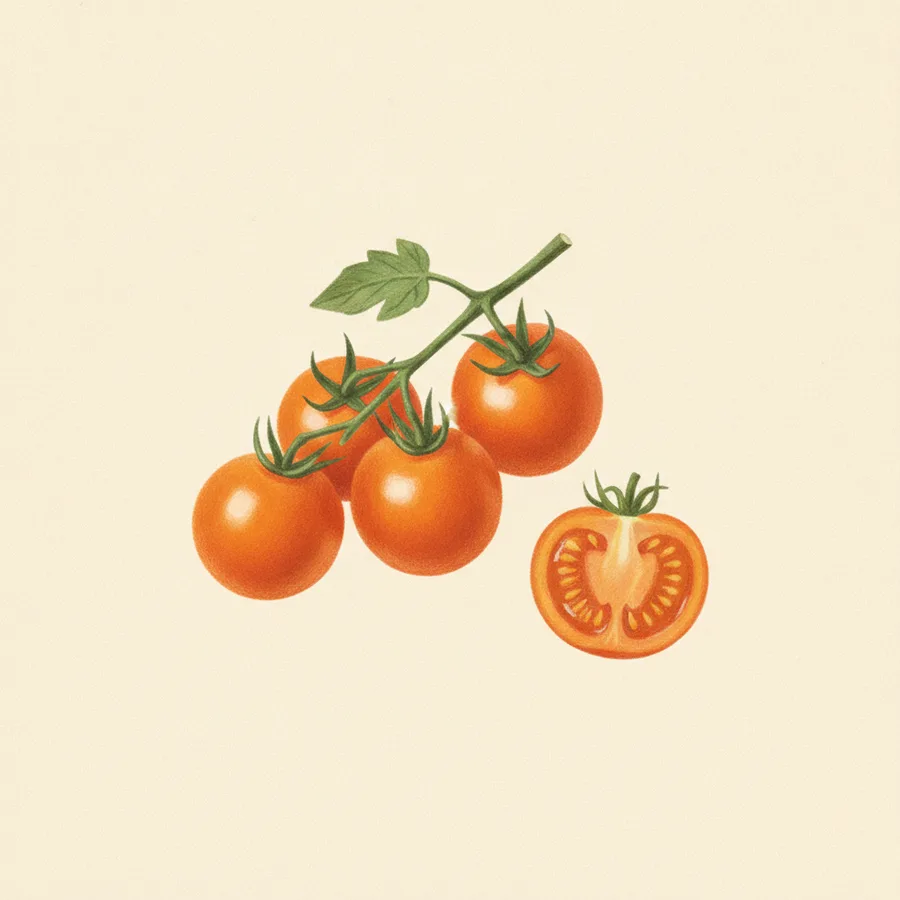
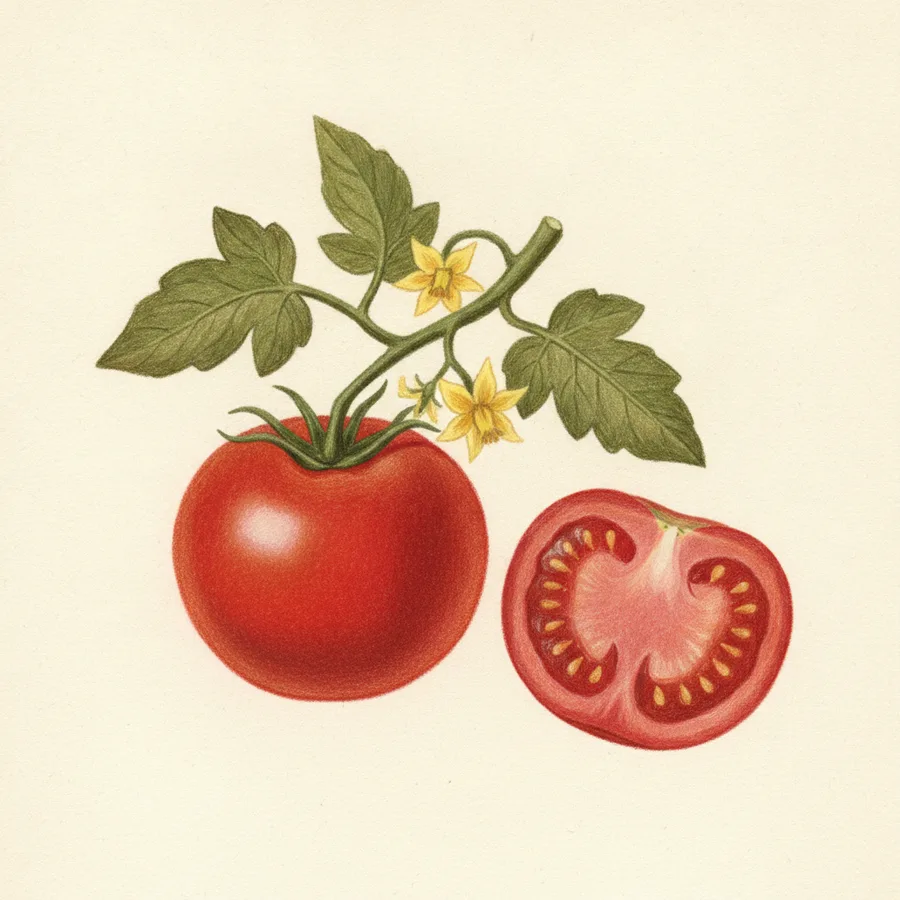
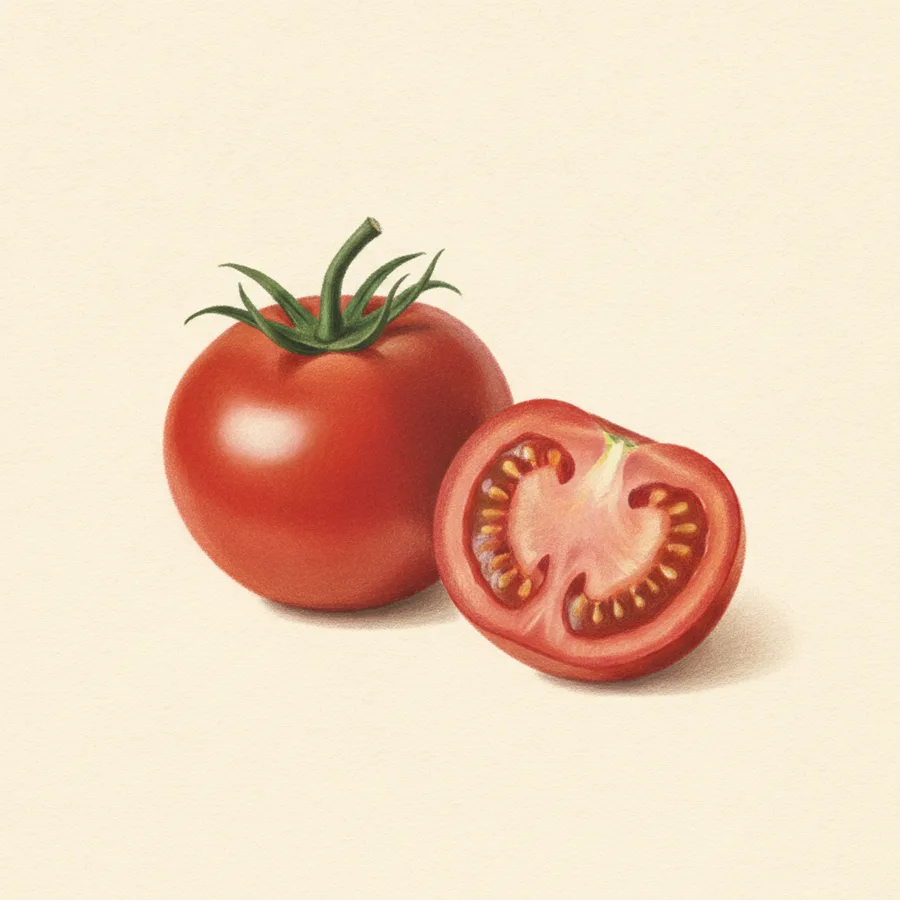
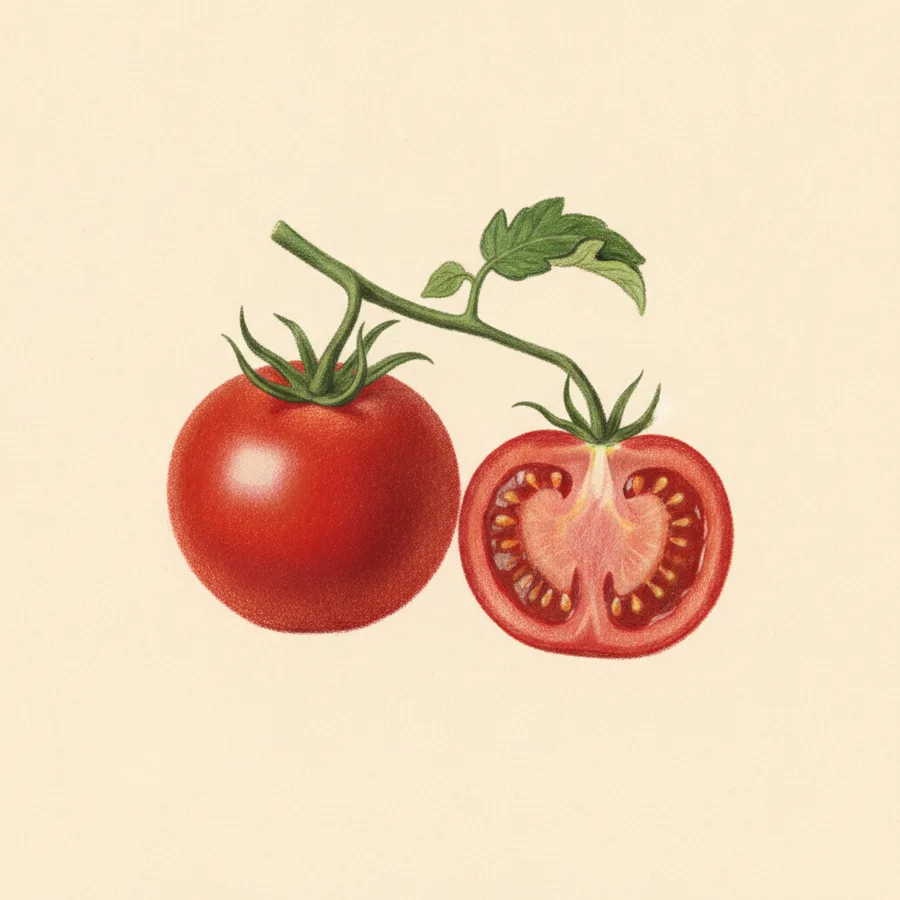
If your season is genuinely short, choose early and cold-tolerant varieties so the calendar works in your favor. Stupice, Moskvich, Sub-Arctic Plenty, and Early Girl all ripen fast and tolerate cool conditions; Sungold is an early cherry that crops for months.
Varieties mentioned
Grow & preserve - what you'll need
The gear that makes the timing above work, in order. Seeds we leave to the vendors linked on each variety page.
- Seed-starting tray kitCell trays with a humidity dome for the late-March to mid-April sowing.
- Seedling heat matHolds the flat at the 75 to 85F that gets tomato seeds up fast.
- Grow lightA windowsill is rarely enough light. Bright overhead keeps seedlings stocky, not leggy.
- Pots for potting upMove seedlings up a size once the first true leaves appear.
- Tomato cages or stakesSupport goes in at transplant, before the plant needs it.
- Seed-starting guideA full walk-through if you want more than the timing above.
- Canning and preserving bookFor the August glut: sauce, whole tomatoes, and salsa put up safely.
Some links here are affiliate links - if you buy through them we may earn a small commission, at no extra cost to you. It never changes what we recommend.
Keep reading
Sources
- When should I sow tomato seeds indoors? · Iowa State University Extension
- Growing tomatoes in home gardens · University of Minnesota Extension